Container Explosion at Jebel Ali Port: Understanding Dubai's Major Hub Impacted
The night sky over Dubai, typically illuminated by its iconic skyscrapers and bustling urban life, has on several occasions been marked by unexpected and significant events. One such incident, a dramatic container explosion at Jebel Ali Port, sent shockwaves not only through the immediate vicinity but across the entire emirate. This event, alongside other notable night disturbances, has brought into sharp focus the resilience and rapid response capabilities of Dubai, a major global and regional hub. Understanding these incidents, particularly the loud explosions dubaï nuit, offers crucial insights into the city's operational continuity and public safety protocols.
The Jebel Ali Port Incident: A Night of Unforeseen Impact
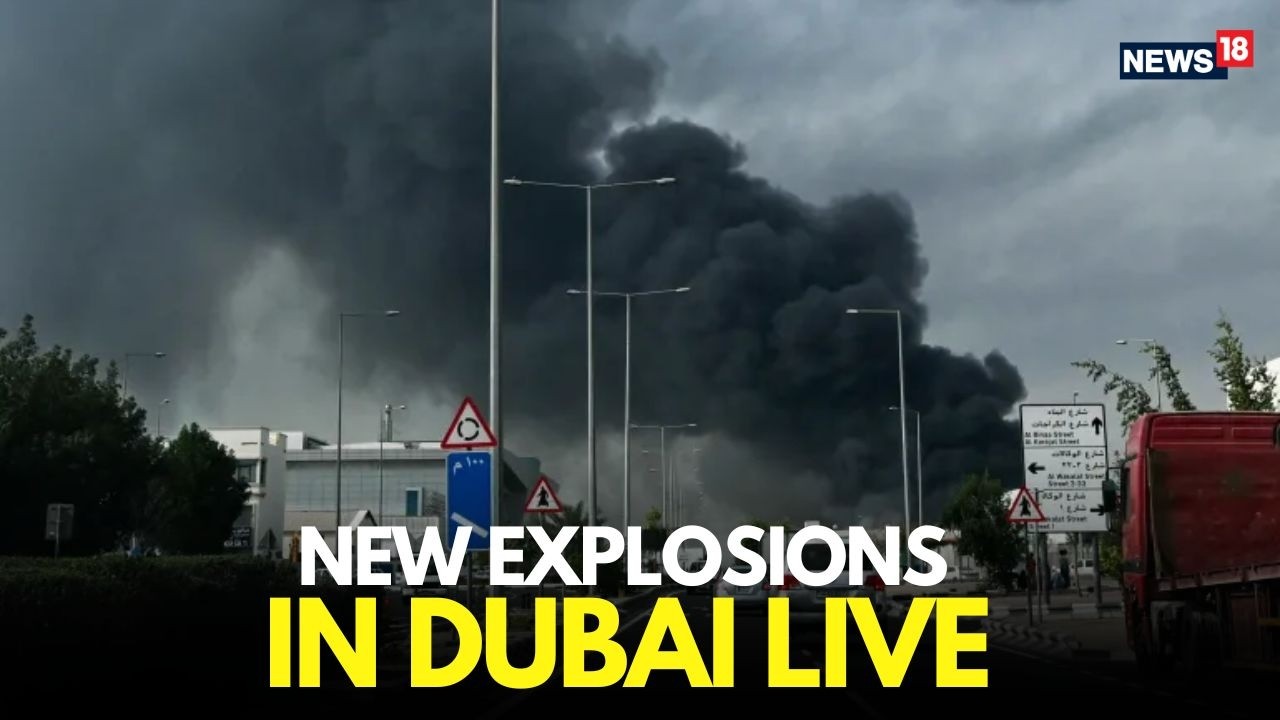
In a striking turn of events, the Jebel Ali Port, a cornerstone of global trade and the largest port in the Middle East, experienced a major fire in the early hours of a Wednesday night into Thursday. The incident was triggered by the explosion of a container on board a vessel docked at the port. The force of the blast was so considerable that it was widely felt across Dubai, rattling windows and alarming residents many kilometers away from the port itself.
Jebel Ali is not merely a regional facility; it stands as one of the world's largest ports, playing a critical role in international supply chains and serving as a crucial logistics and trading hub for countless international businesses. Its strategic importance cannot be overstated, making any disruption here a matter of global concern. Immediately following the explosion, emergency services were mobilized with remarkable speed and efficiency. Authorities confirmed that the ensuing fire was swiftly brought under control, and, reassuringly, no immediate victims were reported. This rapid containment of the situation underscored Dubai's robust emergency response framework and its commitment to minimizing harm and disruption in such critical infrastructure.
The nature of the explosion – a container on a ship – pointed towards a potential industrial accident. Investigations into the exact cause are paramount to preventing future occurrences and reinforcing safety measures within the port's vast operations. For a city that never truly sleeps, such a powerful event in the quiet of the night served as a stark reminder of the complexities and potential hazards inherent in managing a global logistical powerhouse.
Dubai's Resilience Tested: Beyond the Port Incident
While the Jebel Ali container explosion was a singular, impactful event, it's important to contextualize it within a broader narrative of incidents that have tested Dubai and the wider UAE's resilience. The region has, at other times, experienced different types of disturbances involving explosions dubaï nuit, notably missile interceptions that have occasionally disrupted the peace of the night. These separate incidents, often linked to regional geopolitical tensions, showcase a different facet of security challenges faced by the emirate.
For instance, on another occasion, the UAE reported intercepting numerous Iranian missiles over its airspace during a Saturday. These intercepts, believed to be in retaliation for other regional actions, led to fragments falling in various areas of Abu Dhabi, though authorities were quick to confirm no injuries in specific residential locations. Tragically, one death of a Pakistani national was reported due to falling debris in an unspecified residential area following an initial wave. These events led the Emirati Defense Ministry to condemn such acts as "blatant violations of national sovereignty" and affirm the UAE's right to respond.
The immediate practical impacts were significant: the UAE temporarily and partially closed its airspace as a precautionary measure, and Dubai International Airport suspended all flight operations for a period. Residents in both Dubai and Abu Dhabi reported hearing loud explosions and, in some cases, seeing missiles streak across the night sky, creating moments of anxiety and uncertainty. These incidents, while distinct from the Jebel Ali port explosion, collectively contribute to understanding the dynamic security environment Dubai operates within and its effective measures to protect its territory, citizens, and residents.
To delve deeper into these specific defense actions and their impact, you can read more in our related article: UAE Missile Interceptions: Dubai & Abu Dhabi Rocked by Night Explosions.
Eyewitness Accounts: The Human Element Amidst the Commotion
The official reports often focus on facts and figures, but the human experience during such events offers a crucial perspective. For both residents and the multitude of tourists who flock to Dubai, an unexpected explosion or the sight of intercepting missiles can transform a vibrant night into a moment of fear and confusion. Eyewitness accounts from different incidents highlight the palpable sense of shock and the swift public response that followed these nighttime disruptions in Dubai.
Consider the experience of Katty, a tourist from Tournai, Belgium, who was vacationing in Dubai with her family. Waking up to two massive explosions in the middle of the night, she and her family initially had no idea what was happening. Instructions to move away from hotel room windows were quickly issued, prompting a hurried descent from the 8th floor to the hotel reception. The scene in the lobby was one of chaos: guests were panicked, a simple door slam could trigger a crowd movement, and children were crying. Despite the widespread alarm, Katty observed the hotel staff maintaining a remarkable calm, guiding guests to safety in the basement. Later, she even recalled seeing significant smoke while visiting the iconic Burj Khalifa, underscoring the far-reaching visibility of some of these events.
Such stories underscore the profound psychological impact these unexpected occurrences can have. For many, Dubai represents a haven of luxury and safety, and being caught off guard by powerful explosions or missile threats can be deeply unsettling. The immediate response of hotel staff, often trained for various emergencies, becomes critical in managing panic and ensuring the well-being of guests. These personal narratives humanize the news and remind us of the importance of preparedness and clear communication during times of crisis.
For more personal accounts and the shared experiences of visitors during these tense moments, explore our article: Dubai Night Attacks: Tourists Share Panic Amidst Missile Threats.
Ensuring Safety and Security in a Dynamic Region
Dubai's consistent growth as a global city relies heavily on its reputation for safety and stability. The incidents of night explosions in Dubai, whether accidental or externally prompted, invariably prompt questions about the city's preparedness. What becomes evident is a robust framework designed to mitigate risks and respond effectively. This includes:
- Advanced Surveillance and Monitoring: Utilizing cutting-edge technology to monitor critical infrastructure like Jebel Ali Port and airspace.
- Rapid Emergency Response: Highly trained civil defense and emergency services capable of swift deployment and incident control.
- Clear Public Communication: Official channels, such as the Dubai Media Office, providing timely and accurate updates to residents and visitors.
- Inter-agency Coordination: Seamless collaboration between defense ministries, airport authorities, port management, and local police.
For residents and visitors, practical advice during unexpected events includes staying informed via official sources, following instructions from authorities or venue staff, and understanding basic emergency protocols. Dubai continues to invest heavily in its security infrastructure, constantly adapting to regional and global challenges to maintain its status as a secure and attractive destination.
The Economic and Logistical Ripple Effect
Any incident impacting a hub like Jebel Ali Port or Dubai International Airport has potential economic and logistical ramifications. Given Jebel Ali's role in global trade, a major disruption could lead to supply chain delays, increased shipping costs, and impacts on international commerce. Similarly, the temporary suspension of flights at Dubai International Airport, one of the world's busiest, can cause widespread travel disruptions for thousands of passengers and significant financial losses for airlines and related services.
However, Dubai's rapid recovery capabilities and redundant systems often mean that while immediate impacts are felt, long-term economic damage is usually averted. The swift control of the Jebel Ali fire and the prompt resumption of airport operations after missile threat clearances are testaments to this resilience. The emirate is adept at deploying contingency plans to ensure continuity of operations, reinforcing investor confidence and minimizing the broader economic fallout.
Conclusion: Dubai's Unwavering Resolve Amidst Challenges
The various incidents involving explosions in Dubai at night, from the accidental container blast at Jebel Ali Port to the interception of missiles over UAE airspace, serve as powerful reminders of the dynamic environment in which this global city operates. Each event, while distinct in its nature and cause, has underscored Dubai's remarkable capacity for rapid response, effective crisis management, and transparent communication. The experiences of residents and tourists alike highlight not just the moments of anxiety but also the reassuring presence of efficient emergency services and organized recovery efforts.
Dubai's commitment to maintaining its status as a secure, vibrant, and pivotal international hub remains unwavering. Through continuous investment in advanced security systems, robust emergency protocols, and strategic international partnerships, the emirate demonstrates its profound resilience. Despite these challenging nights, Dubai continues to thrive, adapt, and reinforce its position as a beacon of progress and stability in a constantly evolving world.